
Yes, the tourism industry caters to English speakers. But making an effort to use the local language is generally met with appreciation and deepens the experience. Here are some ideas for your family as you prepare for your next trip!
Apps and Translation Tools
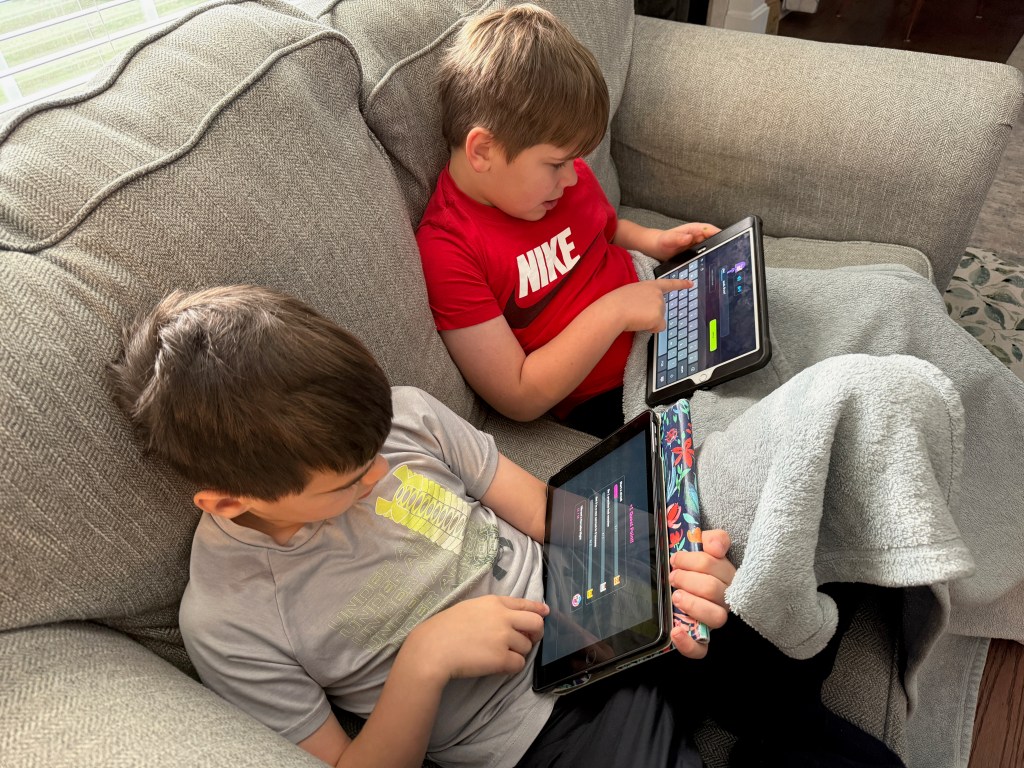
Before our trip to Italy, many of us used Duolingo. It was fun to be connected and encourage one another along the way. (Thanks for the streak freezes, fam.)
Pro: it is free and easy to use for ages 8+. Con #1: The dictation activities are challenging for kids who are still learning foundational skills of reading. Con #2: No topic choices. Sorry, but I’ll never need to say, “My cat wants me to stay home tonight” in any language.
It’s true that translation apps and tools can lead to misunderstandings. But wow there are some amazing possibilities. Did you know you can use Google Translate and your phone’s camera to translate a menu?! Before your trip, my recommendation is to translate, listen to pronunciation, and practice using a few key phrases as a family:
- Yes / No
- Hello / Good-bye
- Please
- Thank you
- I’m sorry, but I don’t speak ___.
We used Translate to compile a Cuisine Guide with a glossary of common phrases we might need (or could point to) and key dishes we’ve heard we must try. Check out this link for a template and directions.

Virtual Language Tutor
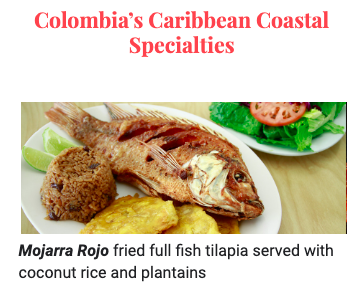
The fact that I can meet virtually with a language tutor who lives in our destination community blows my mind. In addition to practicing the language, tutors have been eager to recommend local dishes, books, and off-the-beaten-path sites. Without the secret knowledge of my tutor, we would have missed out on the epic culinary experience of Restaurante Espiritu Santo in Cartagena, Colombia.
There are many choices out there- we use Preply. It is easy to filter by country, cost, availability and specialties (ie: teach children). Our lessons have ranged from $5-12 for a 50 min lesson (25 min lessons are half $). For kids and beginner adults, I recommend 25 min sessions. Pro: lessons are on the topics of your choice, scheduling is easy, and it’s surprisingly affordable. Con: even if we both know that I only committed to a specific period of time, it’s hard to say good-bye. These tutors have become friends. (This referral link gives you 70% off a trial lesson if you want to try it out.)

Language School
Being immersed in a culture while intentionally learning a new language will rocket-blast your conversation skills to a whole new level. These programs typically target college students or adults. Language schools for families or children are rare, but they do exist!
The kids and I had a fantastic experience at Ixchel Spanish School in Antigua, Guatemala for a week last summer. In addition to tutors for adults, they also have many specifically trained to work with children. They are patient, fun, and effective. Since one of the boys was more reluctant to learn Spanish, he met with one of their tutors virtually before and after the trip to help him transition and practice.

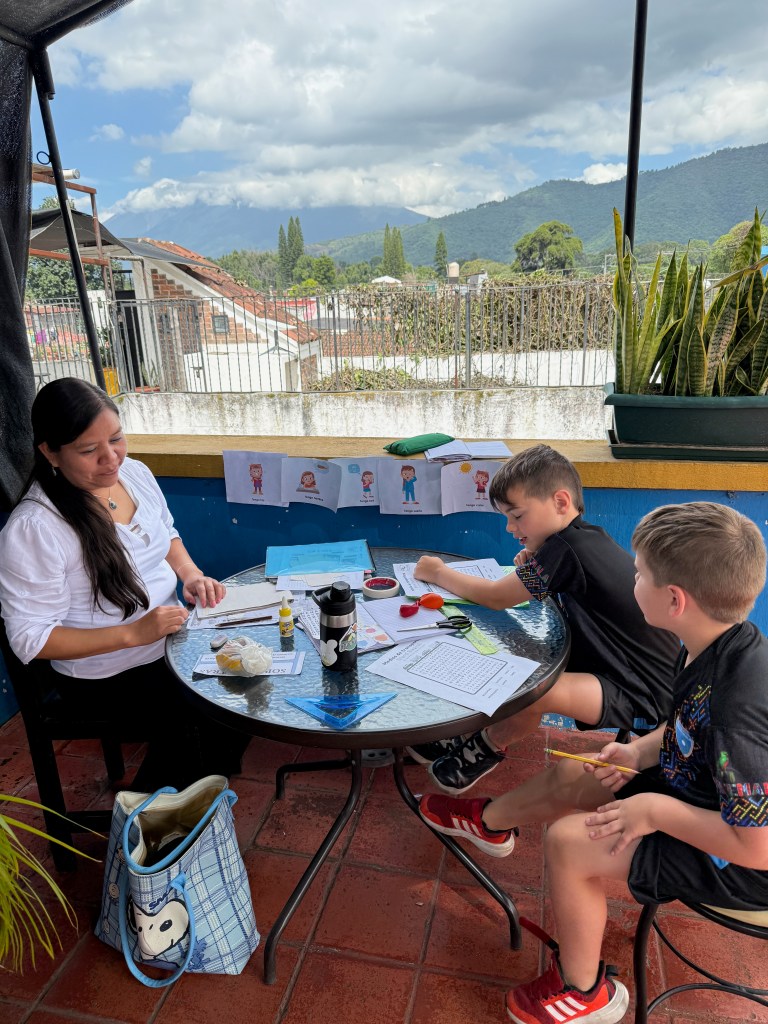
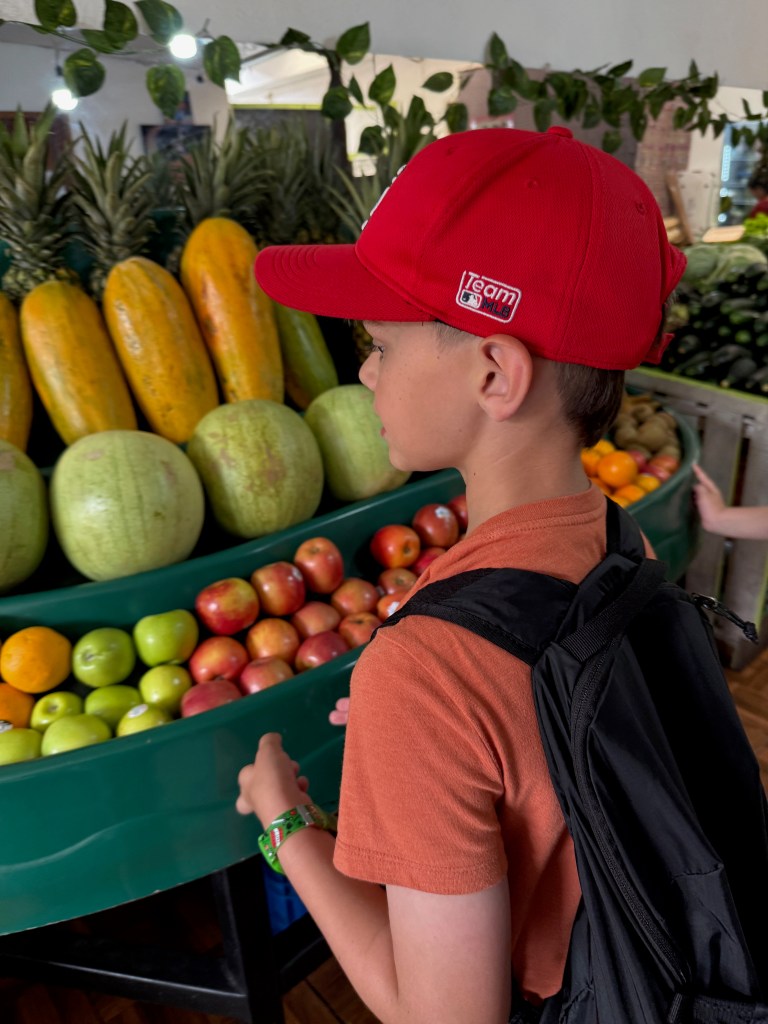
Our room was on site and we enjoyed meals with guests from all over the world. Language school may sound outlandish to you, but let me put it into perspective. In the US, the only Spanish camp nearby would have been $750 total per week for the boys and 45 min away. For a week of language school, we paid $1,100 total for: A) lessons for all three of us, B) our room, and C) three meals a day. Not to mention we immediately applied what we learned as we explored the city each afternoon.
This summer, we’re headed back to Guatemala to check out a new Spanish immersion camp called Antigua Global Explorers Worldschool. Stay tuned!
Additional Spanish language schools for kids and families:
- Na’atik in Mexico (offers Spanish, English, & Maya)
- Habla in Merida, Mexico
- San Pedro Spanish School in Lake Atitlan, Guatemala
- Intercultura in Costa Rica
Share your experiences!
What are some ways that you’ve brushed up on your language skills before a trip? Share them in the comments.


 Domino Tracks
Leave a comment