
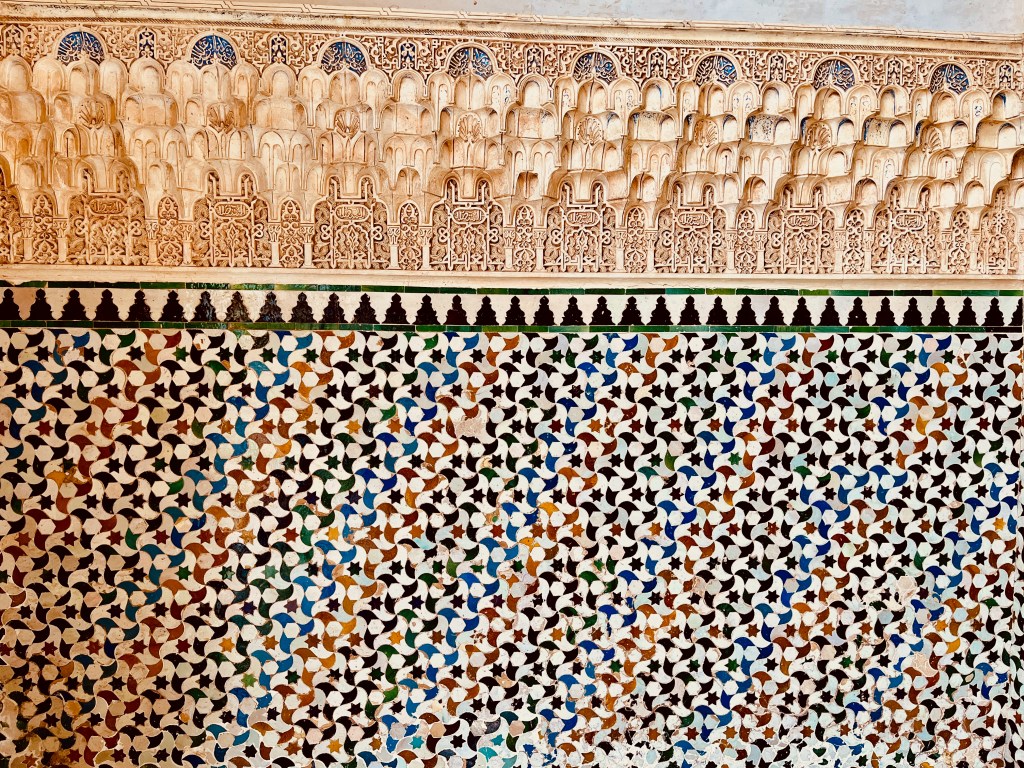
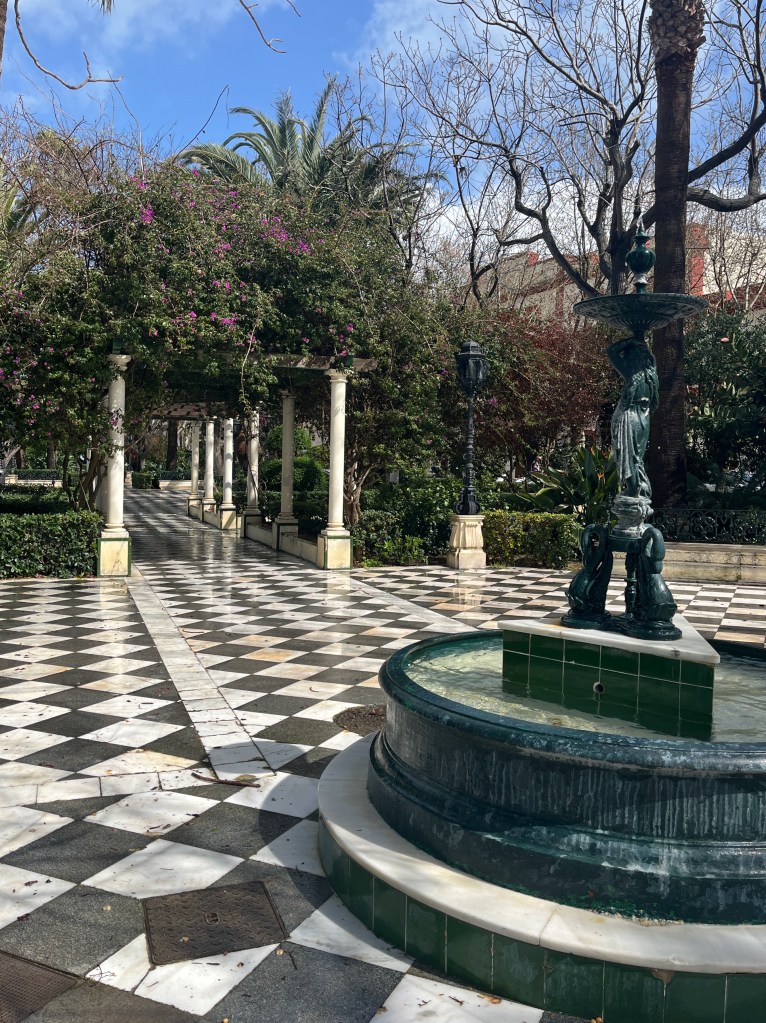
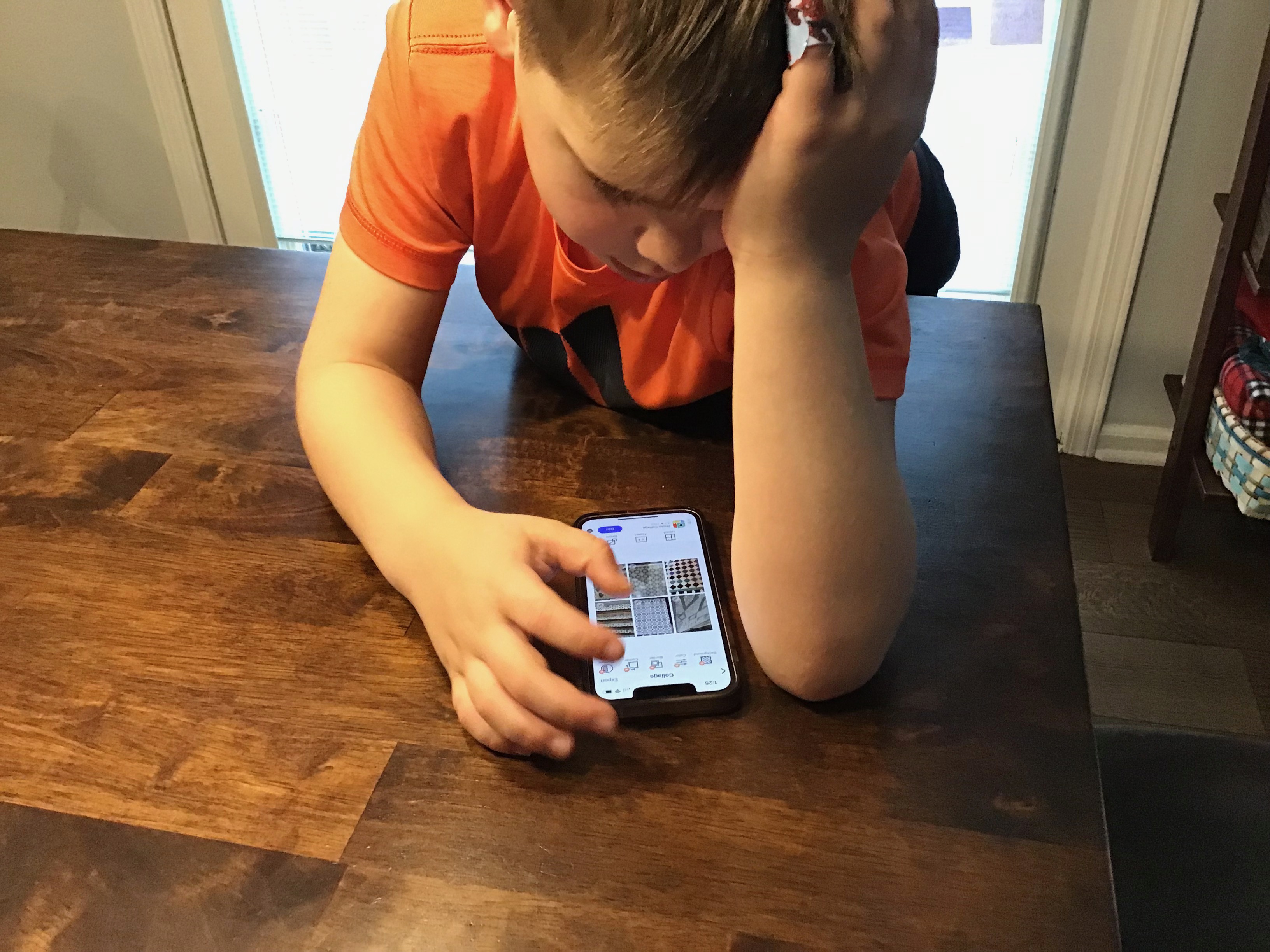
Applying classroom learning to the real-world is the ultimate goal of education, right? My Kindergartner is in the middle of a unit on patterns in math class. What a perfect time to travel to Spain, where patterns are EVERYWHERE! He loved taking pictures of patterns to create a collage.
Connect Through Questions
As part of the Kindergarten math standards, students will recognize, describe, extend, and create patterns. Looking for patterns became a game throughout our trip. “Hey, mom, I see another pattern!” Asking how they see it or to explain the pattern can help them solidify this understanding.
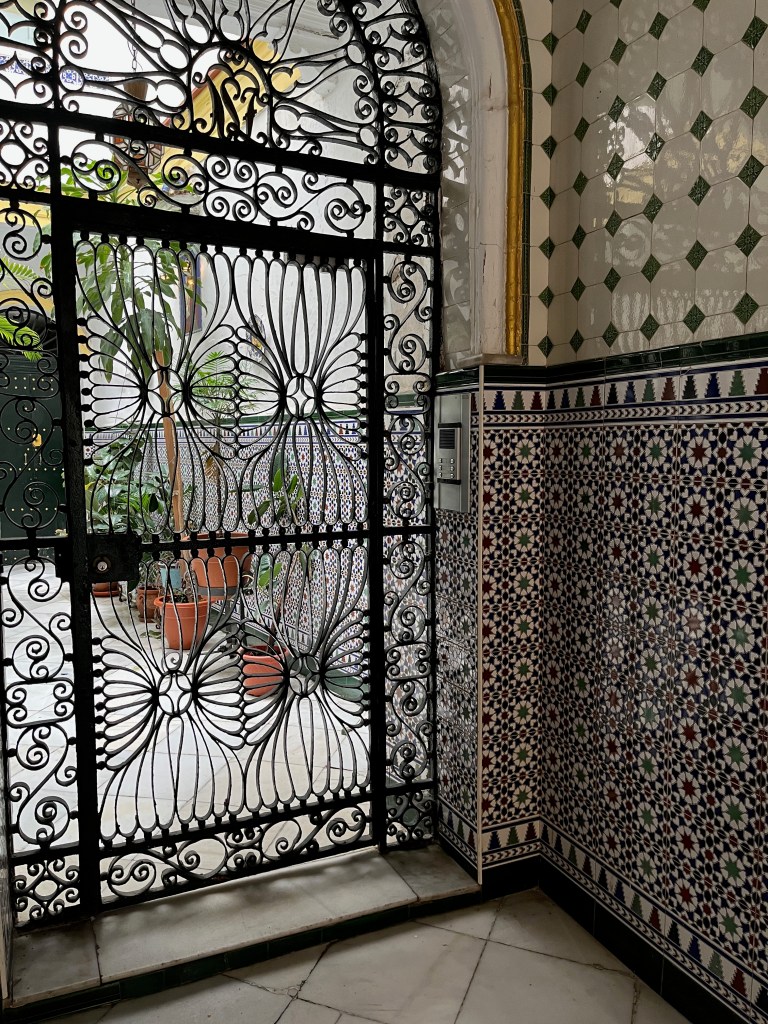
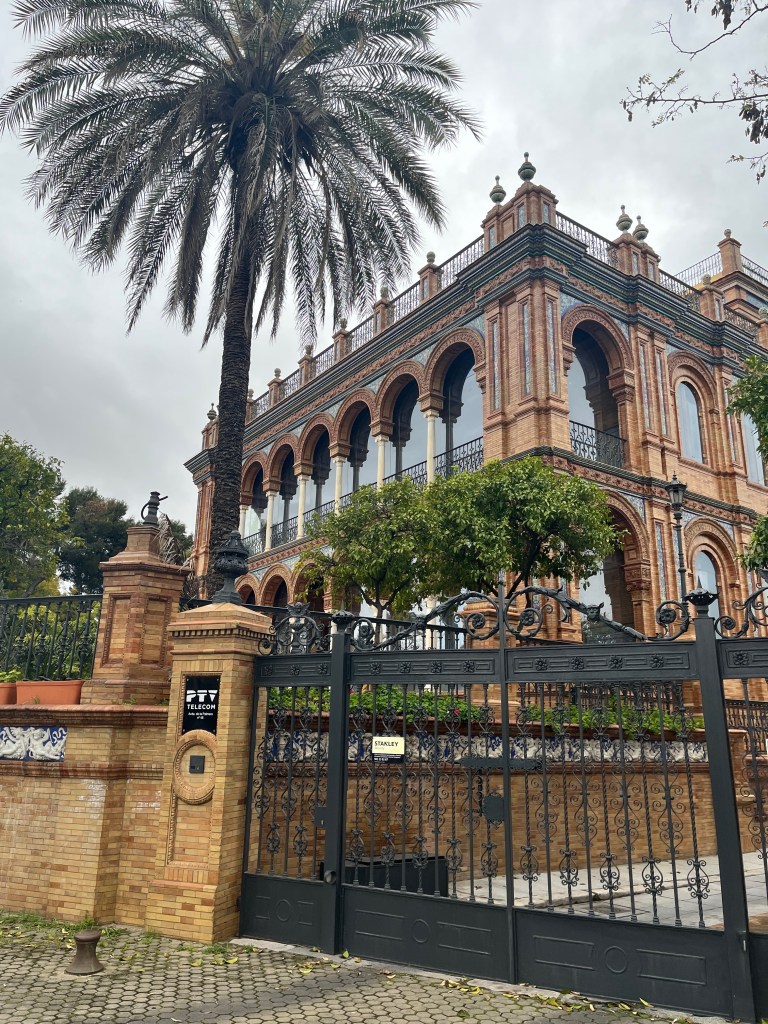
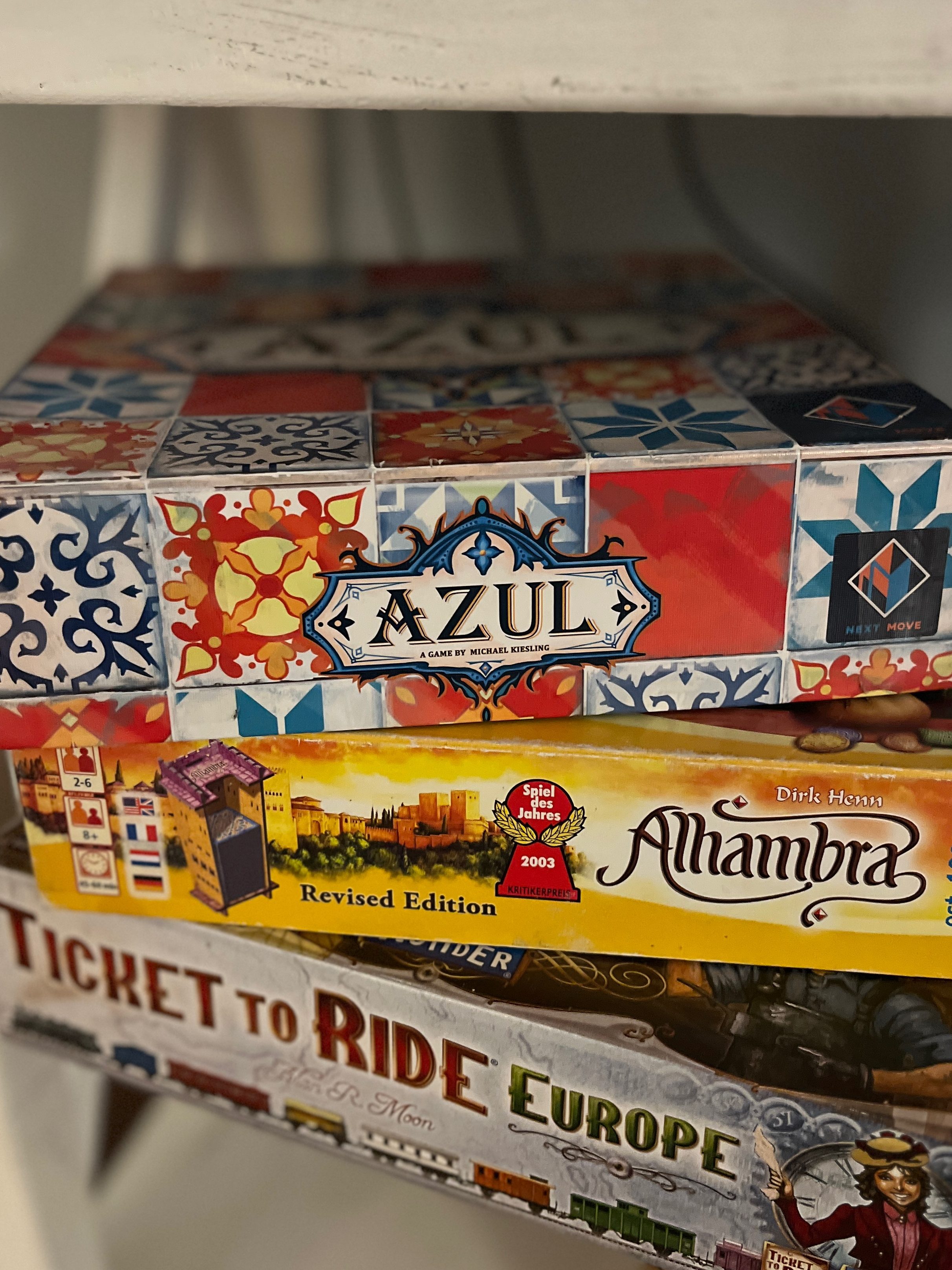
Before our trip, we played two games (Azul and Alhambra) that connected to the patterned tiles of Spain. Patterns are characteristic of the Mudejar architecture found throughout southern Spain. Did you know that when learning is fun, our memories are more likely to stick! Check out my previous post, Family Game Night, about using games to prep for travel.
Expect the Unexpected
Our second grader has been learning about Peru in class. We visited the Museo de las Americas in Madrid knowing our kids would make connections to Cartagena, Colombia. When he exclaimed that the designs of gold objects looked like the Nazca Lines he’d learned about, I was so surprised. (Like the what?!)
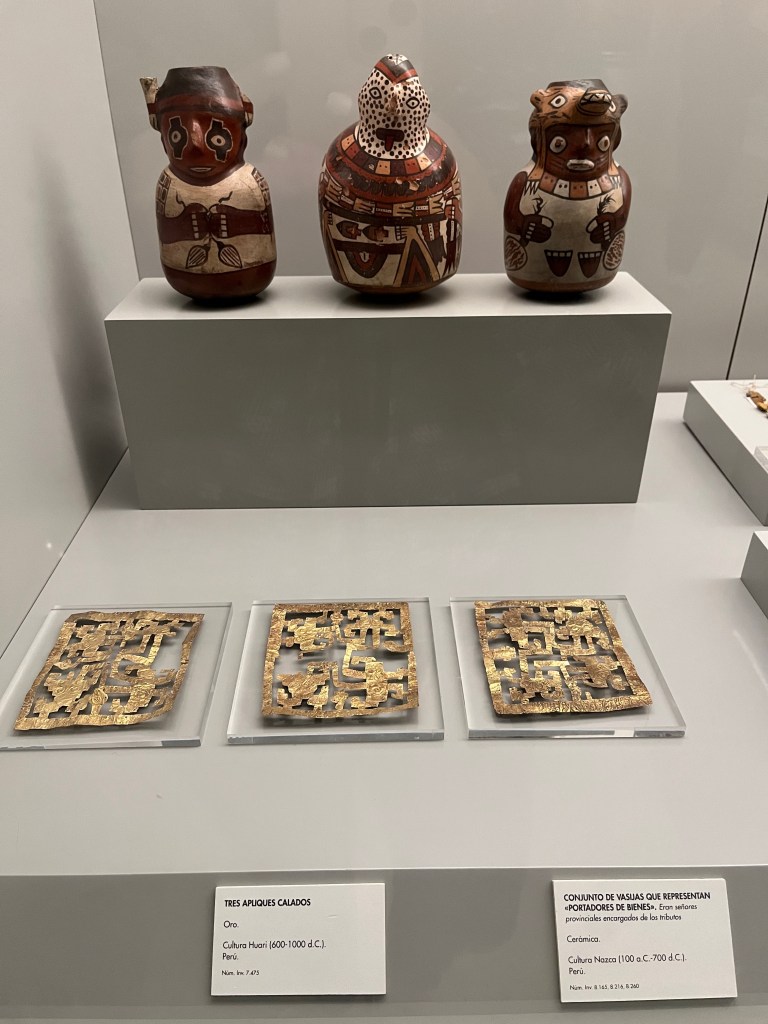
What are Nazca Lines? Thanks to our son and Google, now I know. Creating opportunities and asking questions about connections has sparked curiosity that moves beyond what we share with them.
- “Does this remind you of anything?”
- “How are these the same and different?”
- “This makes me think about ____. What about you?”
Encouraging Educators
My son couldn’t wait to share his PicStitch collage of patterns with his teachers! They loved seeing what he compiled to share with them. As an educator, nothing is more encouraging than knowing a student has applied their learning in the real world.

What are your kids learning about in school? How can you connect that to an upcoming trip or real-world experience?
- Ask your child what they’re learning (10% chance of getting helpful info)
- Teacher newsletters
- State standards websites (ELA, Math, Science, Social Studies, STEAM / STEM)
- Publisher websites (ex: Scholastic’s Preparing for 2nd Grade)


 Domino Tracks
Leave a comment